Backend & APIs
Service boundaries, clean contracts, and maintainable application architecture.
Software engineer · San Diego, CA
Agentic Engineering · Backend Systems · Production Reliability
With 6+ years in software engineering, I build resilient services and tool-using AI agents that plan, execute, verify outcomes, and recover when reality does not match the plan.
Profile
I’m a software engineer focused on agentic engineering, backend systems, and distributed architectures. At Alphatec Spine, I design and operate production microservices and APIs for a HIPAA-compliant medical cloud platform.
My day-to-day work includes eliminating race conditions, designing idempotent workflows, investigating failures across service boundaries, and improving API and database performance.
Outside of work, I ship SaaS products and real-time applications to explore agent planning, tool execution, RAG, MCP, browser automation, computer vision, WebSockets, and systems programming.
Technical capabilities
Production experience across the application lifecycle, from API contracts and data models to deployment, observability, and incident response.
Service boundaries, clean contracts, and maintainable application architecture.
Reliable asynchronous workflows that tolerate retries, partial failures, and concurrency.
Tool-using agents that maintain context, verify execution, recover from failures, and stay grounded in source material.
Deterministic automation and measurable systems with fast feedback loops in development and production.
Each project explores a different systems problem: making autonomous work observable, grounding AI in context, turning conversations into structured data, and synchronizing real-time state.
Wearable AI · Language coaching
An American English coach that learns from how you actually talk. Sayvero listens to your everyday conversations through a Bee wearable, catches the phrases a native speaker wouldn’t use, and groups them into the habits you repeat most. Each week you get a short list of patterns to practice.
Agentic engineering · Browser execution
A watchable browser agent that plans and executes multi-step tasks, asks for human input when needed, and continues follow-up work in the same live browser session.
AI-assisted SaaS · Three-service architecture
Helps developers, QA engineers, and product owners refine software tickets before implementation by analyzing issues, comments, screenshots, and indexed source code.
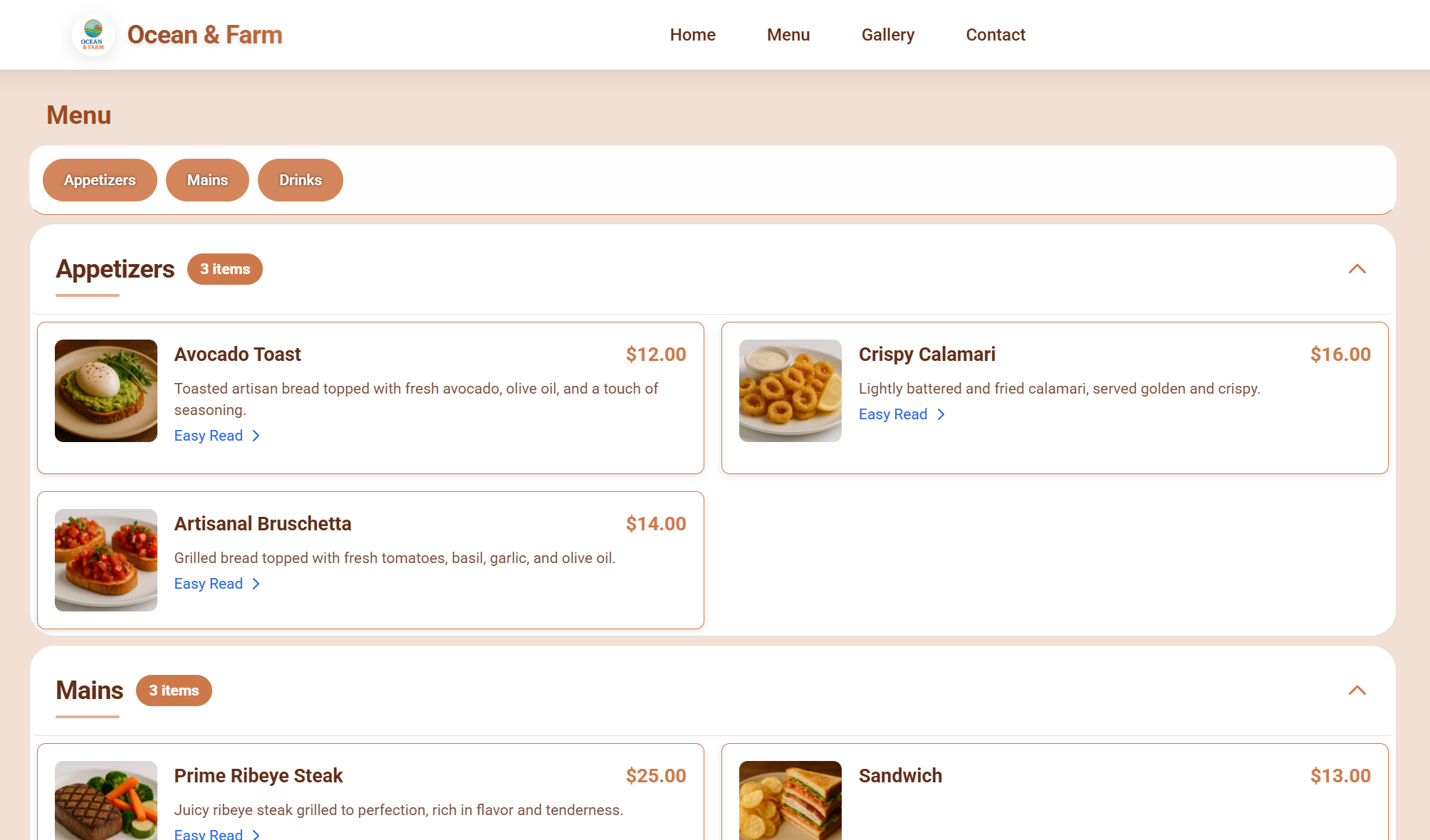
Conversational AI agent · Tool execution · MCP
Helps small food businesses create and update complete digital menus and storefronts through natural-language requests, reducing setup work for non-technical users.
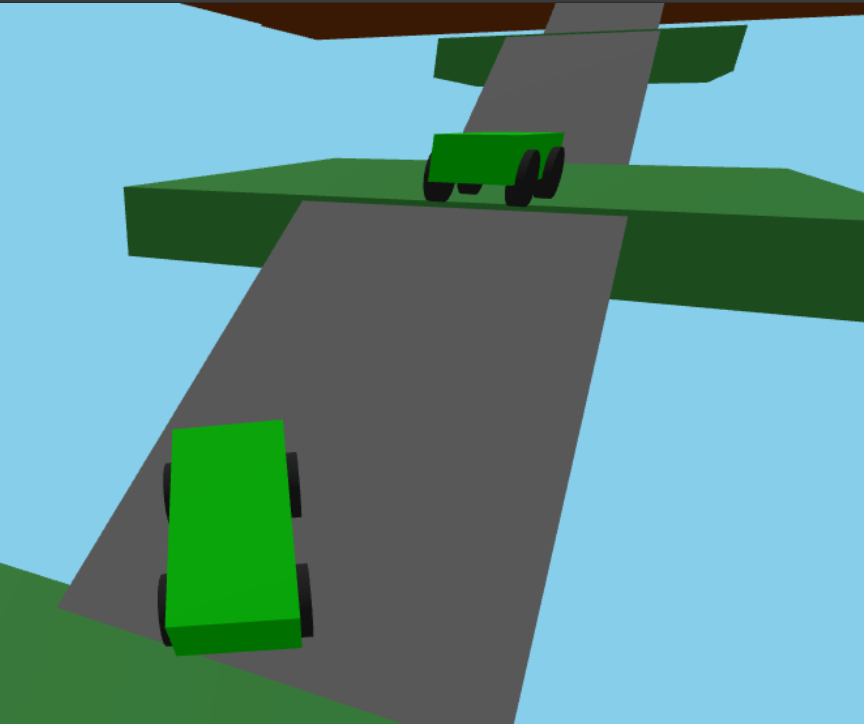
Real-time systems · 3D physics
A multiplayer 3D driving game with physical steering, collisions, and a shared world synchronized in real time through a Rust backend.
Additional work

Computer vision · Quality inspection
Production object-detection pipeline using YOLOv8, PyTorch, Python, and OpenCV, with targeted retraining workflows for new failure cases.
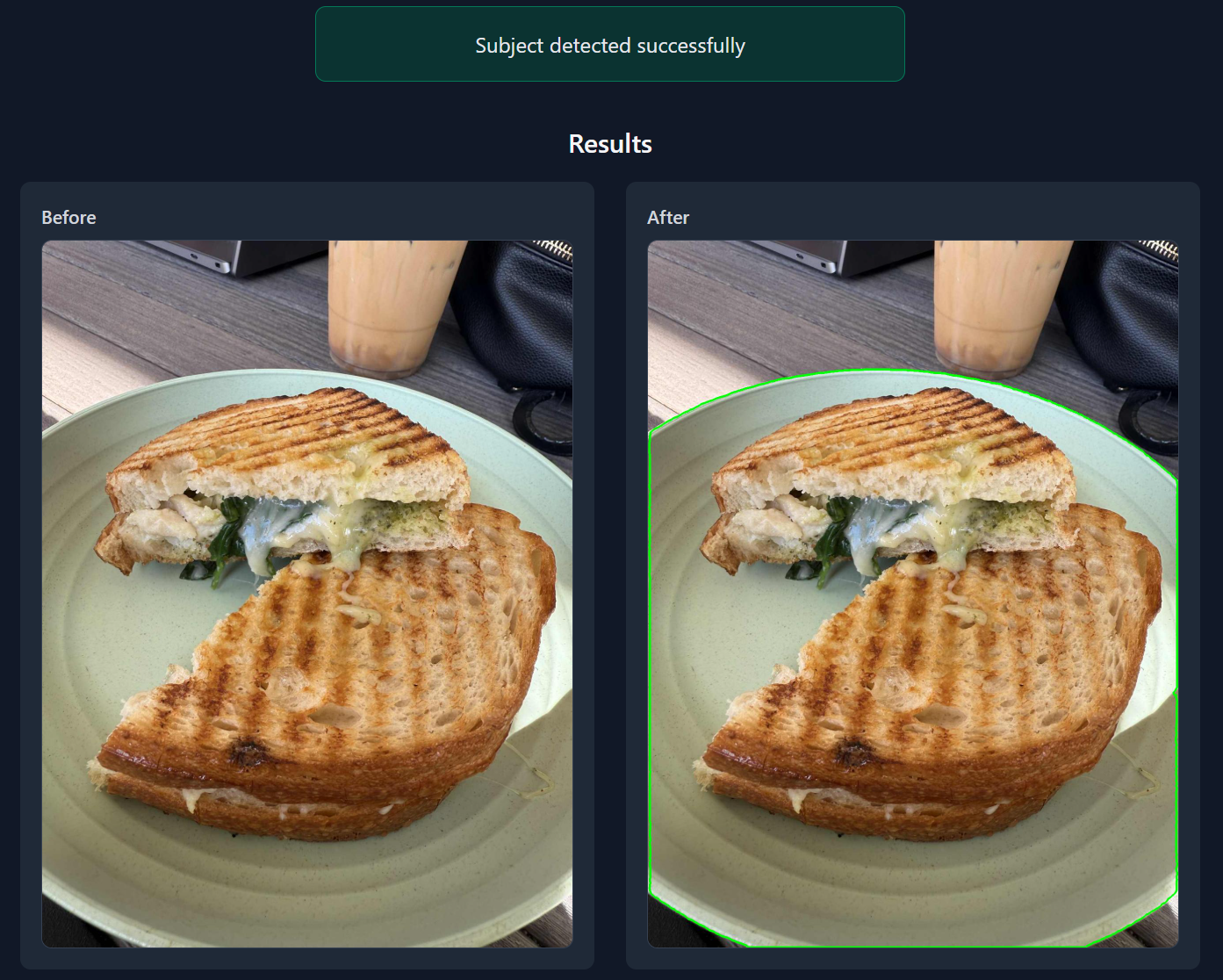
Computer vision · Subject selection
AI pipeline combining Grounding DINO and SAM to identify a dish, build a detailed mask, and select the most likely main subject for enhancement.
Experience
Alphatec Spine
Ace Parking
Dexcom
Foundation
Java Programming · UC San Diego Extended Studies
LaunchCode · Agentic Engineer Training Program, in progress
LangChain Academy · LangChain and Deep Agents foundations
AWS · Cloud Technical Essentials
Verify credentialContact
If you’re working on backend platforms, distributed systems, or applied AI, I’d like to hear about it.